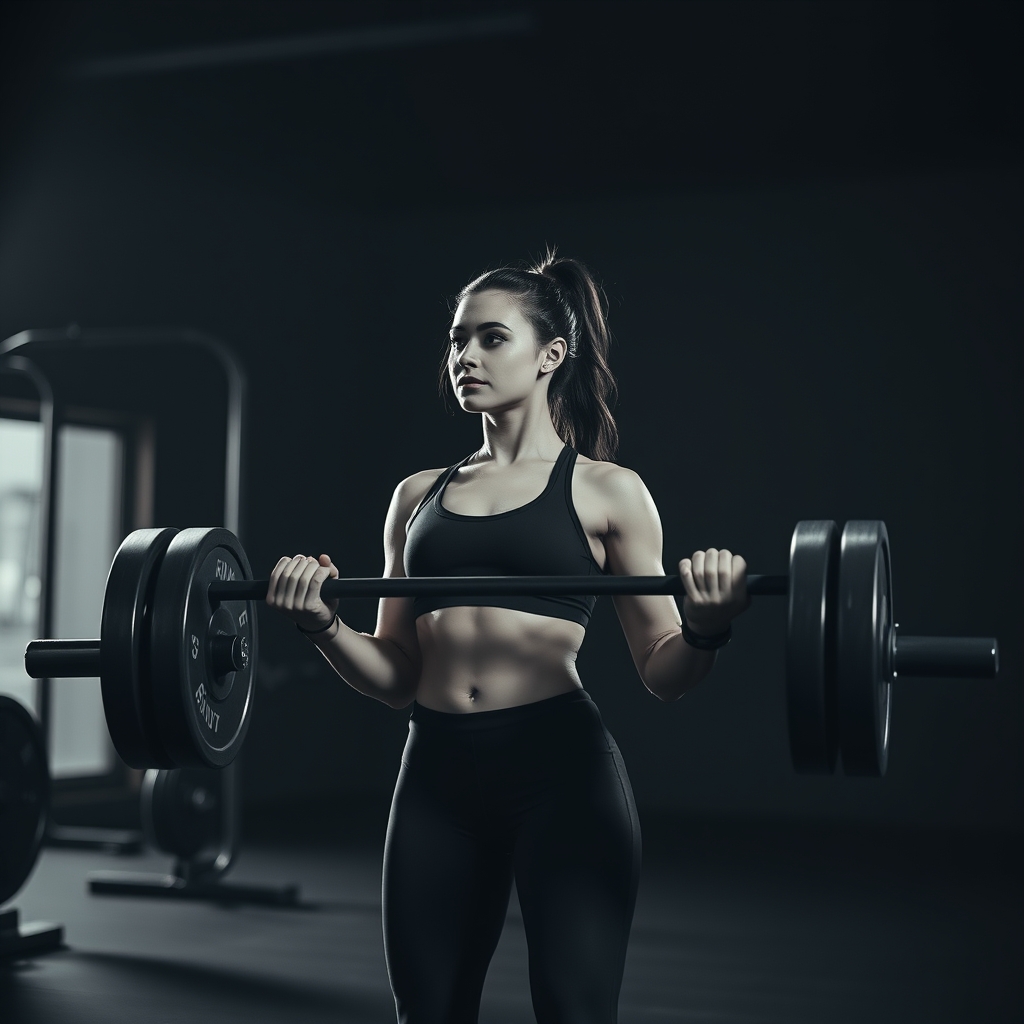
Strength Training for Women: 5 Myths Busted
Myth 1: You will bulk up
This is the most persistent and least supported concern. Women have significantly lower testosterone levels than men - roughly 10 to 20 times lower - which makes the kind of muscle gain that produces a bulky look exceptionally difficult. What strength training produces in women is a firmer, leaner physique with better muscle tone and higher resting metabolism. The women with large, prominent physiques you might be thinking of train specifically for that outcome over many years, often with pharmaceutical assistance. Regular strength training will not accidentally produce that result.
Myth 2: It will make you stiff
Strength training through full range of motion improves flexibility. Exercises like Romanian deadlifts, deep squats, and overhead pressing all require and develop mobility. Research consistently shows that resistance training improves functional flexibility at least as effectively as static stretching. If you are feeling stiff after training, it is more likely a sign of inadequate warm-up, insufficient sleep, or muscles adapting to new stimulus - not a permanent change in your body.
Myth 3: Cardio is better for fat loss
Cardio burns calories during the session. Strength training burns calories during the session and increases resting metabolism by adding lean muscle tissue. More muscle means more calories burned at rest, every hour of every day. A combination of both is ideal, but for fat loss and body recomposition, the research increasingly supports strength training as the more efficient long-term tool.
Myth 4: You are too old to start
You can begin strength training at any age and see significant benefit. Research shows meaningful muscle and strength gains in women starting training in their 50s, 60s, and even 70s. Bone density, joint health, metabolic function, and balance all improve with resistance training - outcomes that become more important, not less, as you age.
Myth 5: You need a specialist women's program
Good programming principles are not gendered. Progressive overload, compound movements, adequate protein, and consistent training apply equally to women and men. What differs is the structure of individual programs based on goals - a competitive athlete trains differently from someone returning after a baby. A good personal trainer will program for you as an individual, not a demographic.
More Articles
Ready to train?
Start Your Journey at Fittopia
Whether you are brand new to fitness or looking to level up, Fittopia has the coaches, equipment, and environment to get you there.
Explore Fittopia Fitness Center →